Travel eSIM
All eSIMs: How to Compare Travel eSIM Options Without Getting Lost
All eSIMs are not the same. Compare them by destination, data structure, hotspot support, validity, source evidence, and refund rules.
- Author
- RoamMatch editorial team
- Reading time
- 1 min read
- Updated
- Updated 2026-06-29
In brief
A practical guide to comparing all eSIM options for travel, including local, regional, global, unlimited, fixed-data, and pay-as-you-go plans.
There are not just "good" and "bad" eSIMs. All eSIMs sit inside categories: local, regional, global, fixed-data, unlimited, subscription, and pay-as-you-go. Comparing them without categories leads to poor decisions.
Main eSIM Categories
| Category | Best for | Watch out for |
|---|---|---|
| Local | One destination | Border crossings |
| Regional | Multi-country trips | Excluded countries |
| Global | Frequent travelers | Higher price per GB |
| Unlimited | Heavy phone data | Fair-use throttling |
How RoamMatch Organizes Choices
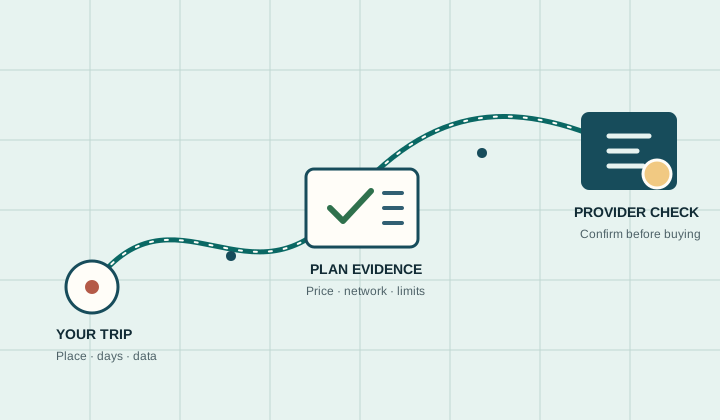
RoamMatch compares providers by destination, source evidence, data structure, hotspot policy, and plan limitations. Explore our provider overview or start with best travel eSIM options.
External Context
GSMA provides the technical eSIM context, while travel providers define specific plan terms that must be checked before purchase.
Frequently Asked Questions
Are all eSIMs travel eSIMs?
No. Some are primary carrier profiles, while travel eSIMs are usually prepaid data plans.
Can one eSIM cover every country?
Some global plans cover many countries, but always verify the country list.
What is the best way to compare?
Start by destination and trip length, then filter by data, hotspot, and validity.
Continue the decision
eSIM Comparison: The Framework RoamMatch Uses
This is the canonical hub for comparison-tool and compare-query articles, reducing overlap with provider and best-eSIM intent.
Open this topic hubRelated reading