eSIM Basics
What Is an eSIM? A Traveler-Friendly Explanation
An eSIM is a digital SIM built into your phone that can download mobile network profiles without inserting a physical card.
- Author
- RoamMatch editorial team
- Reading time
- 1 min read
- Updated
- Updated 2026-06-29
In brief
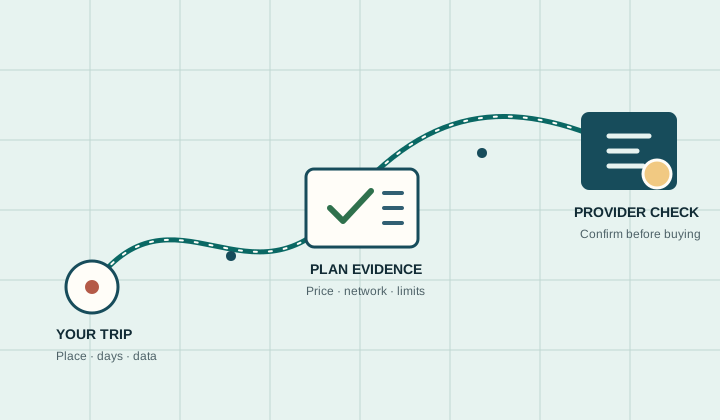
Understand what an eSIM is, how it differs from a physical SIM, how it helps travelers, and what to check before buying a travel data plan.
What is an eSIM? It is a programmable SIM built into your device. Instead of inserting a plastic card, you install a mobile network profile digitally. For travelers, this means you can buy a data plan before departure and activate it when you arrive.
How eSIM Works
GSMA describes eSIM as remote SIM provisioning technology. In plain language, your phone downloads secure carrier settings and uses them like a physical SIM profile.
Why Travelers Use It
- No airport SIM kiosk needed.
- No physical SIM tray swap.
- Keep your home number active.
- Use prepaid data to control roaming costs.
What to Check First
Confirm that your device supports eSIM and is unlocked. Then compare destination coverage and data allowances with our travel eSIM choosing guide.
Frequently Asked Questions
Is eSIM the same as a physical SIM?
It performs the same network identity role, but the profile is digital instead of removable.
Can I delete an eSIM?
Yes, but deletion can remove access to the plan. Only delete after confirming you no longer need it.
Does every phone support eSIM?
No. Support depends on device model, region, and carrier restrictions.
Continue the decision
Best eSIM in 2026: The Evidence-Based RoamMatch Hub
This is the main decision page for broad best-eSIM searches. It points search engines and travelers toward the strongest subpages instead of letting many similar articles compete with each other.
Open this topic hubRelated reading